Concentration of counterfeiting
For products with high brand value, the effect of counterfeiting is seen on reputation more than on sales.


Conformity of makeup products with their content declaration, and the authenticity of product on the market, are assessed through the product itself.
Implementation
Verification based on the product itself rather than its packaging. The profile of product obtained from the market is compared against the brand reference and the result is reported. It is confirmed that the declared colourants and pigments are present in the product. It is documented that a substance not permitted by regulation is not present in the product.
Makeup is among the product groups in which counterfeiting is most concentrated. Packaging can be reproduced exactly; the component profile of the product cannot.
The issues that stand out in this product group are as follows. Counterfeit products carry an exact reproduction of the packaging. Conformity of pigments and colourants with the declaration requires separate confirmation. The source of sales made under the brand name on marketplaces remains unclear. Content confirmation for imported semi-finished goods and bulk fill rests with the manufacturer.
Request a meeting
Data
Share of sales lost by the cosmetics and personal care sector in the EU because of counterfeits
Source: EUIPO, The economic cost of IPR infringement in the cosmetics and personal care sector, 2015Estimated annual revenue lost by legitimate manufacturers in the EU, according to the same study
Source: EUIPO, The economic cost of IPR infringement in the cosmetics and personal care sector, 2015Estimated share of counterfeit and pirated goods in EU imports in 2021
Source: OECD and EUIPO, Mapping Global Trade in Fakes 2025, 2025Risks
For products with high brand value, the effect of counterfeiting is seen on reputation more than on sales.
For products applied to the face, content safety is the consumer’s first question.
Content confirmation for externally sourced bulk fill and semi-finished goods rests with the manufacturer.
Regulation
Requires a responsible person established in the EU for every cosmetic product placed on the EU market, electronic notification before the product is placed on the market, and a batch number or a reference identifying the product on the label. Having batch information on the product forms the basis of traceability in recalls and complaint investigations.
In Türkiye, cosmetic products must be notified to the Ministry of Health before they are placed on the market for the first time; the responsible person files the notification with TİTCK through the Product Tracking System (ÜTS), together with the product's original label. This record is the primary source consulted when identifying which responsible person a product on the market belongs to.
This section is for information only; official sources prevail for current obligations.
FAQ
The profile of product obtained from the market is compared against the brand reference and the result is reported. Packaging can be reproduced exactly; the component profile of the product cannot.
Yes. It is documented that a substance not permitted by regulation is not present in the product; the report is prepared so that it can be added to the product information file.
Other industries
 SkincareActive ingredient confirmation, content declaration verification and batch consistency for skincare products.
 HaircareBatch consistency, rapid on-site screening and cross-facility profile alignment for haircare products.
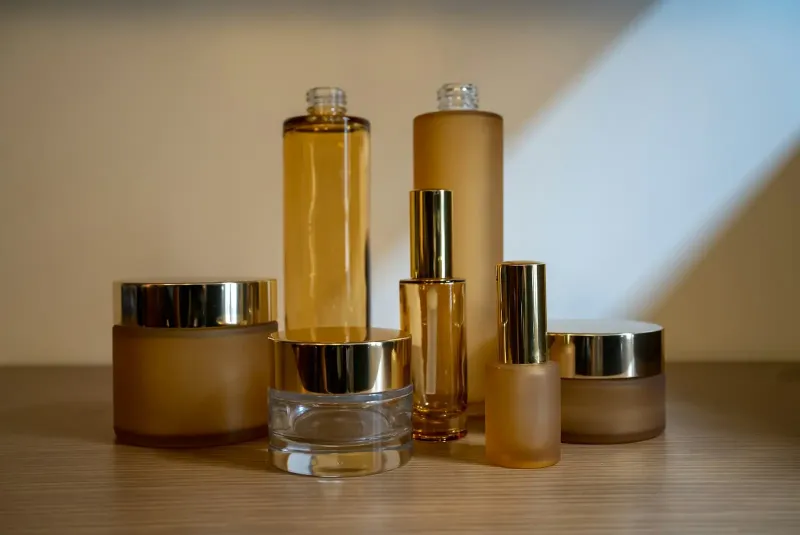 FragranceComposition identity, distinguishing original product and essence incoming inspection in fragrance.
Meeting request
The first meeting reviews your product, sales channels and the risks you face, and recommends a suitable method.
Request a meeting